Why Is Red the Color of Good Fortune in Chinese Culture?
Red in China means something very different from what many Western visitors expect. While red traffic lights and warning signs signal danger in many countries, the same color in Chinese culture invites celebration, marks new beginnings, and attracts good fortune.
If you visit China during Lunar New Year, walk past a Chinese wedding, or see a new business opening, you will notice red everywhere. Understanding why helps you read the cultural landscape correctly.
What Red Means in Daily Life
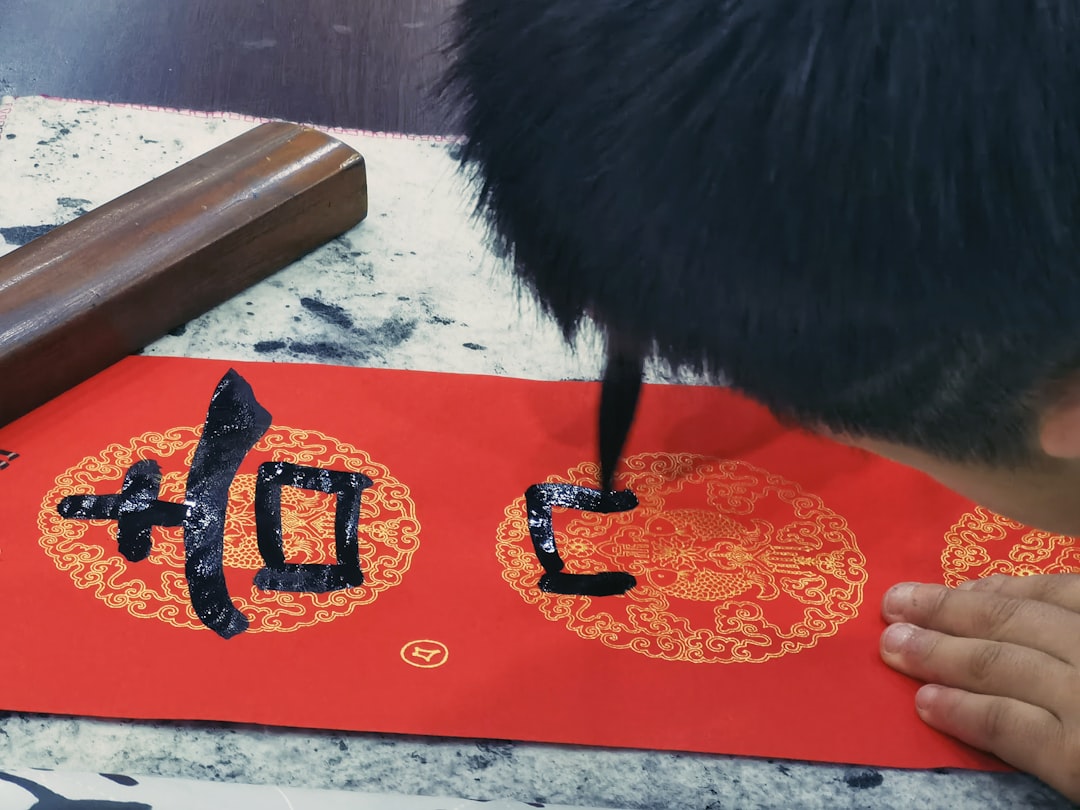
Red dominates almost every major celebration in China. During Lunar New Year, streets fill with red lanterns, doors display red couplets, and people exchange red envelopes filled with money. At traditional weddings, brides wear red dresses while red double happiness symbols decorate the venue. New homes get red couplets on door frames. New babies are announced with red eggs. Grand openings feature red ribbons and flowers.
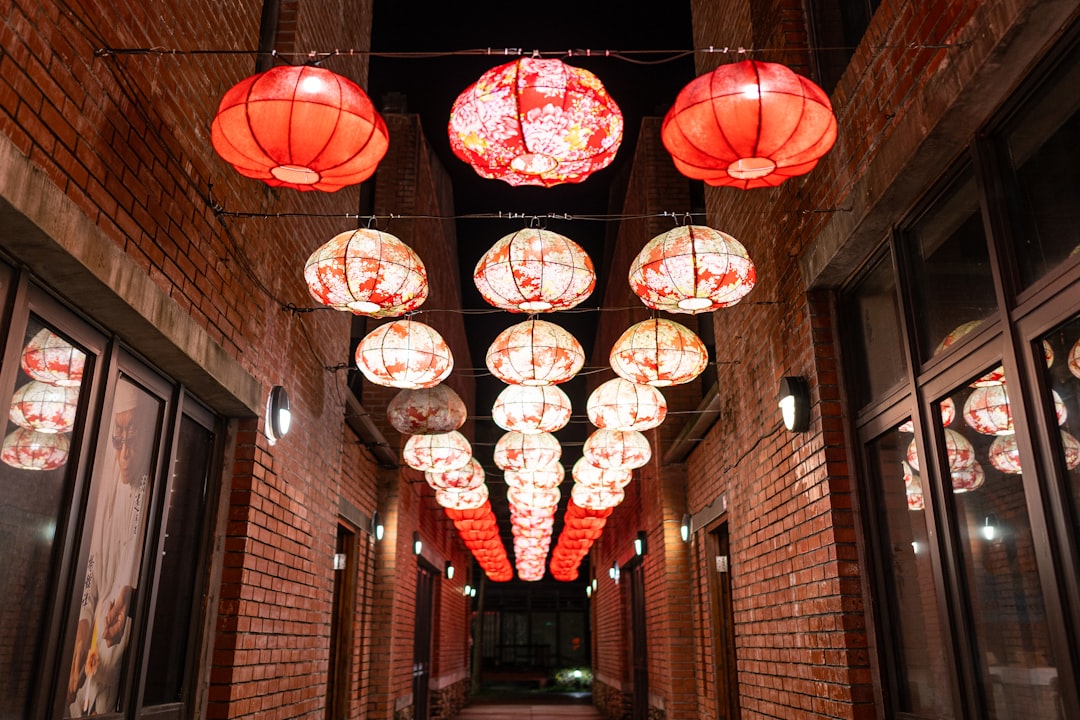
The color appears so consistently because it carries multiple positive meanings: joy, prosperity, vitality, and protection from bad luck. When Chinese people choose red, they are not just decorating. They are actively inviting good fortune and warding off misfortune.
Why Red Became Auspicious
Several cultural threads explain the positive association with red.
Fire and Life Force. Ancient Chinese philosophy connected red to fire and yang energy. Fire represented warmth, light, and the power to transform. This linked red to vitality and life itself.
Protective Folklore. The most famous story involves the Nian, a mythical beast said to attack villages each year. According to legend, villagers discovered the Nian feared red paper and loud firecrackers. People began pasting red couplets on doors and lighting firecrackers to drive the creature away. Whether or not the story has historical basis, the practice continues today.

Imperial History. Red appeared in palace architecture and official contexts throughout Chinese history. The color carried connotations of power and prestige that reinforced its positive image.
Warding Off Evil. Many Chinese people believe red has the power to scare away malevolent spirits. This belief explains why red appears at major life transitions like births, marriages, and new homes, moments when people particularly want protection.
How Meaning Varies Across China
While red carries positive meaning broadly, practices differ by region, generation, and context.
Regional Differences. Northern and southern China sometimes prefer different shades. Bright vermilion dominates in some areas while deeper crimson appears in others. These variations do not change the core meaning but reflect local aesthetic traditions.
Urban vs. Rural. Rural areas often maintain stricter traditional usage. Urban younger generations sometimes blend red with Western elements, such as wearing a white wedding dress for a ceremony and changing into red for the banquet.
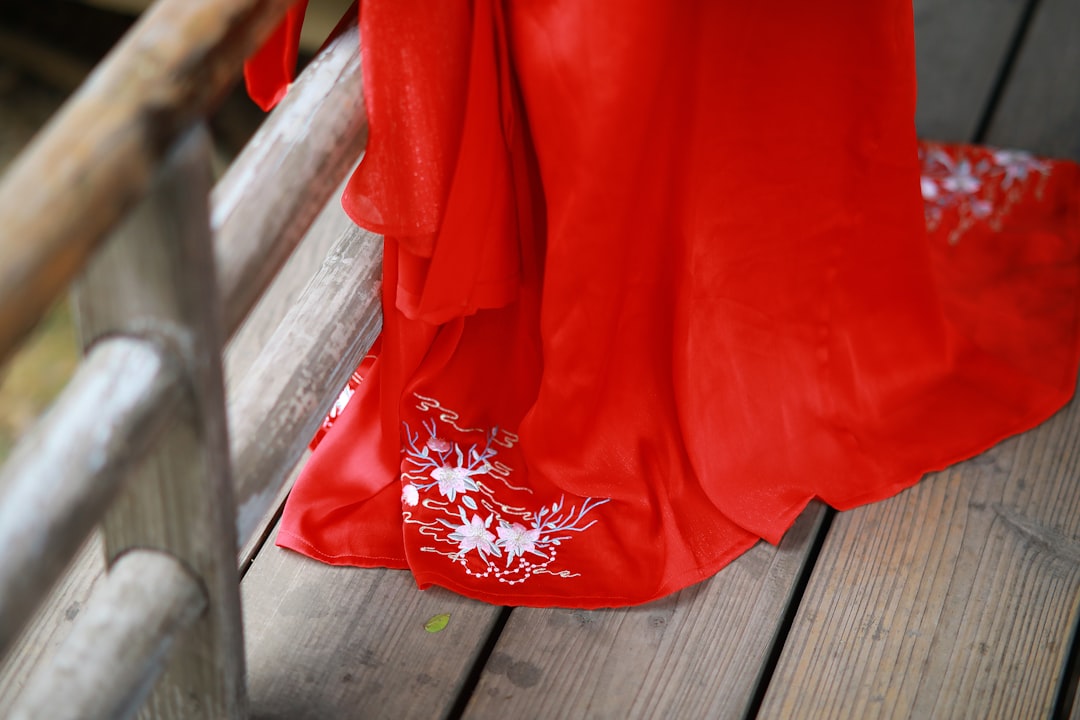
Modern Adaptations. Some contemporary couples choose Western-style white gowns for photos but still incorporate red somewhere in the celebration. The core meaning remains while the expression evolves.
Financial Context. In business accounting, red ink still indicates losses, following international conventions. This creates a rare context where red carries negative meaning in Chinese settings.
What Overseas Visitors Often Misunderstand
Red Does Not Mean Danger. When you see red decorations in China, the message is usually welcome, not warning. A shop with red banners is inviting customers, not signaling caution.
Not All Red Is Equal. Specific shades carry different nuances. Bright vermilion suits joyful celebrations while darker maroons might appear in more solemn contexts. The shade matters.
Context Still Matters. Red can be inappropriate. At funerals, white remains the traditional color. Wearing red to a funeral would signal disrespect. The positive meaning applies to celebrations, not every situation.
Western Red Is Not Always Warning Either. The Western association between red and danger is not absolute. Valentine’s Day uses red for love. The red carpet honors distinguished guests. Christmas decorations feature red prominently. The split between Chinese and Western red meanings is more of a tendency than an absolute rule.
Practical Examples
Scenario: Lunar New Year Visit. You walk through Beijing in late January or early February. Every door has red couplets. Every shop displays red lanterns. People hand you red envelopes. This is not an emergency. It is a celebration. The red signals that good fortune is being shared.

Scenario: Chinese Wedding Guest. You attend a Chinese wedding as a foreign guest. The bride wears red, not white. Your host explains that red brings joy and good fortune while white is traditionally associated with funerals. You realize how color meanings can reverse across cultures.
Scenario: Grand Opening. You see a new restaurant with red ribbons across its entrance and red flowers arranged nearby. A Western visitor might think something dramatic is happening. The reality is simpler: the owner is inviting prosperity and success.
Summary
Red in Chinese culture signals invitation, not warning. It marks celebrations, protects against misfortune, and attracts good luck. The positive meaning comes from historical associations with fire, protective folklore, imperial usage, and spiritual beliefs about warding off evil.
When you see red decorations in China, think welcome, not danger. When you receive a red envelope, accept it as a gift of good fortune. When a bride wears red, recognize a tradition that values joy over purity symbolism.
Understanding this color difference helps you read Chinese celebrations correctly and avoid misinterpreting cultural signals.
Final words
More reading and next steps
That is the main thread of the article. Keep the links below handy, and use the related posts to continue exploring the same topic from a different angle.
References and links
- Chinese New Year Traditions and Red Symbolism Background on red decorations and their cultural meaning during Lunar New Year
- Color Psychology in Chinese Culture Academic research on cross-cultural differences in color perception
- Traditional Chinese Wedding Customs How red features in Chinese wedding ceremonies and attire